Available direction

Four capabilities from magnetic field to controlled motion

Magatom organizes a broad component portfolio into four connected domains from magnetic field to controlled motion. Use the domain map to frame the engineering decision, then enter a product-family path for detailed inputs, risks, validation, and RFQ guidance.

Capability domains

Find the engineering decision before the product label

These domains explain why a broad set of components belongs together. Every included offer must sit on the field-to-motion chain and share at least two buyer, engineering, supplier, application, or subsystem factors with the portfolio.

Domain 01 · Shape and control the field

Magnetic Materials & Field Architecture

Connect material, geometry, magnetization, air gap, return path, protection, and assembly choices to the field or force the application actually needs.

Decision to resolve

Which magnetic material and circuit architecture can deliver the required result across the real gap, temperature, environment, and tolerance stack?

Scope

  • Permanent-magnet material, grade direction, geometry, coating, and magnetization
  • Magnetic circuits, Halbach arrays, rotor or sensor magnet systems, and field-shaping assemblies
  • Field, force, retention, demagnetization, corrosion, and acceptance-test planning

Examples

  • Permanent magnets
  • Halbach arrays
  • Rotor and sensor magnet systems
  • Custom magnetic assemblies

Domain 02 · Convert electrical input into force

Electromagnetic Conversion & Actuation

Define the magnetic circuit, winding, drive, thermal path, moving interface, return behavior, and validation method as one actuation problem.

Decision to resolve

Which coil and magnetic-mechanical architecture can meet force, stroke, response, duty, temperature, fail-state, and life requirements?

Scope

  • Coils, electromagnets, linear or rotary solenoids, and proportional actuators
  • Solenoid-valve electromagnetic interfaces, brakes, clutches, and latching functions
  • Force-stroke, current, response, thermal, insulation, and cycle validation

Examples

  • Electromagnets
  • Solenoids and coils
  • Solenoid-valve actuation
  • Electromagnetic brakes and clutches

Domain 03 · Turn electromagnetic design into motion

Motors & Direct Drive

Match motor topology, electromagnetic loading, thermal path, feedback, mechanics, and controller limits to the complete operating cycle.

Decision to resolve

Which motor and drive architecture can meet continuous and peak output, package, thermal, control, efficiency, noise, and life targets?

Scope

  • Axial-flux, frameless, torque, QDD, BLDC, coreless, linear, and voice-coil directions
  • Rotor, stator, winding, magnet, feedback, brake, bearing, and housing interfaces
  • Torque-speed, current, temperature, efficiency, vibration, and duty-cycle validation

Examples

  • Axial-flux motors
  • QDD and frameless motors
  • BLDC and coreless motors
  • Linear and voice-coil motors

Domain 04 · Close the mechanical and control interfaces

Precision Motion & Integrated Modules

Coordinate the motor or actuator with feedback, bearings, housing, brake, transmission, cabling, controls, and the customer-side mounting boundary.

Decision to resolve

Which integrated architecture closes torque or force delivery, stiffness, accuracy, packaging, controls, reliability, and serviceability without hiding interface risk?

Scope

  • Feedback, brakes, bearings, housings, couplings, gears, screws, and transmissions
  • Joint modules and integrated rotary or linear electromechanical subassemblies
  • Interface ownership, tolerance stack, revision control, validation, and supply handoff

Examples

  • Robot joint modules
  • Integrated direct-drive axes
  • Motor and transmission subassemblies
  • Custom electromechanical modules

Published product paths

Compare the application interface first

Representative visuals show the category only. Geometry, material, construction, supplier route, and evidence are defined for each reviewed project.

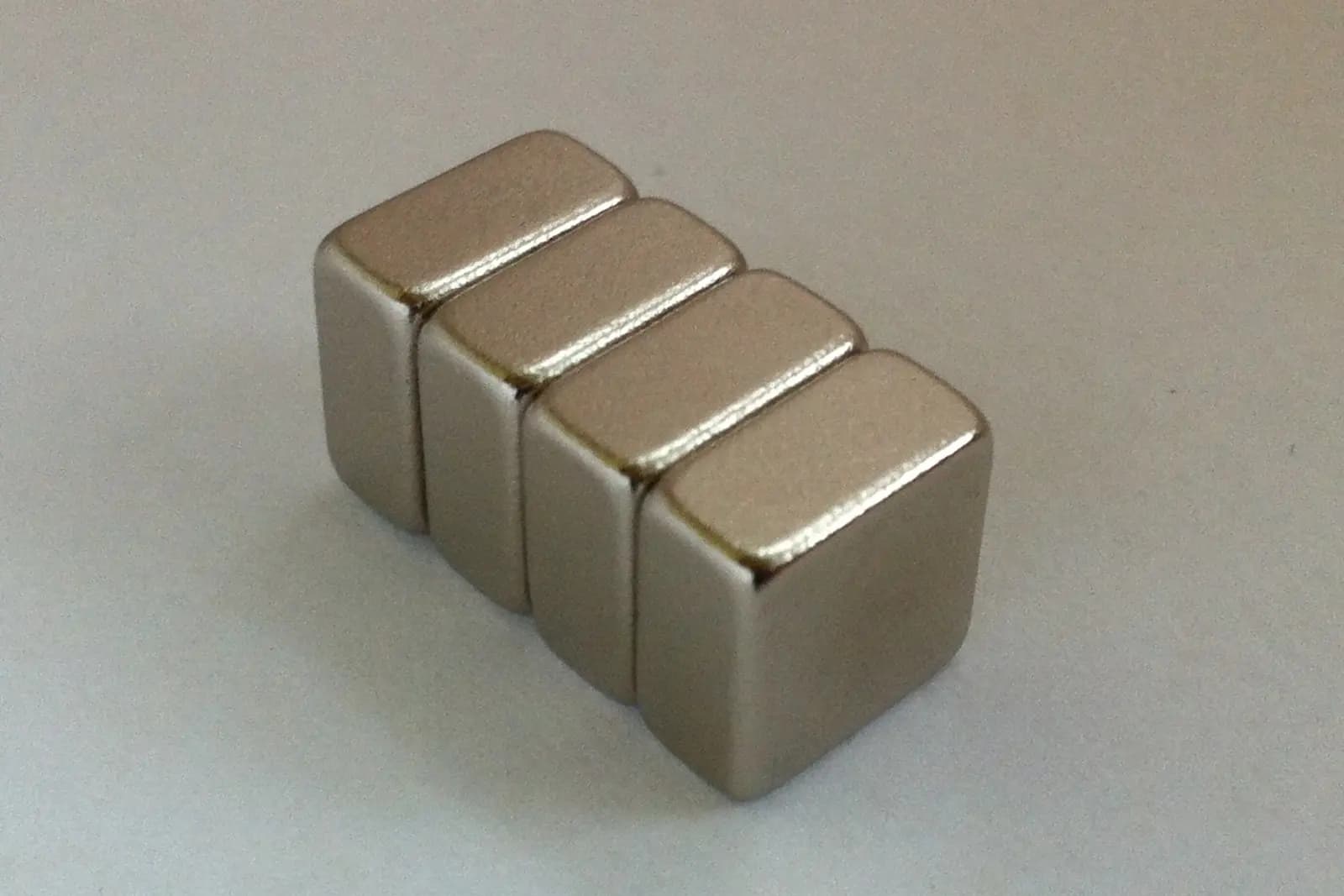
Four representative nickel-plated permanent block magnets arranged in a rowRepresentative visual

Representative category visual; geometry, material, coating, and magnetization are confirmed for each project.

Photo by Suradnik50, resized and cropped from the original. Source · CC BY-SA 3.0

Magnetic material and geometry review

Custom Permanent Magnets

Translate a required field, holding force, sensing target, or torque contribution into a reviewable magnet material, geometry, magnetization, coating, tolerance, and validation brief.

First input: State the required field, force, torque contribution, sensor response, or reference part and the measurement location.

Review Permanent Magnets
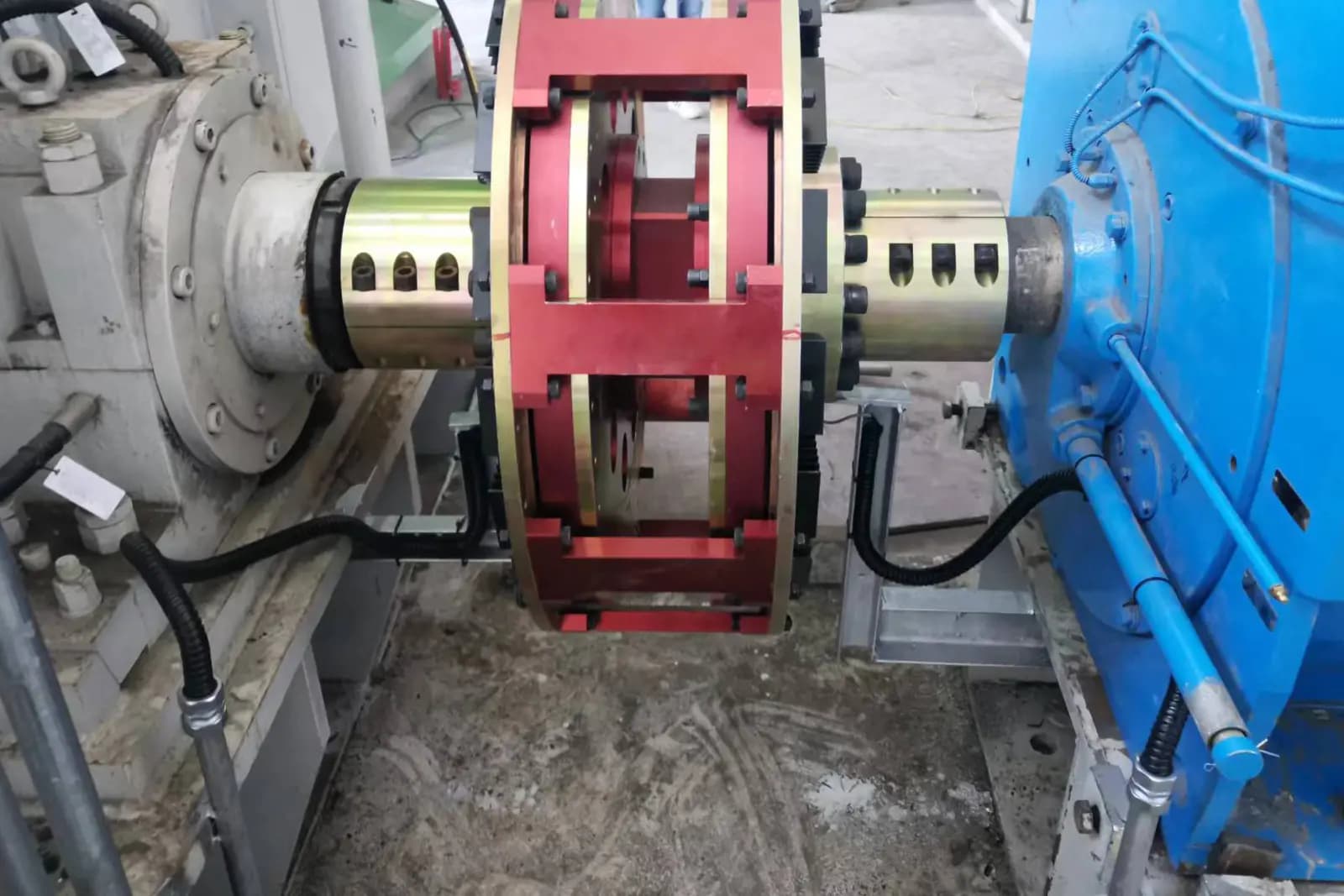
Representative industrial magnetic coupling installed between two rotating machinesRepresentative visual

Representative category visual; retention, materials, interfaces, and validation are confirmed for each assembly.

Photo by Benzhongo, resized and cropped from the original. Source · CC BY-SA 4.0

Magnetic circuit and mechanical integration review

Custom Magnetic Assemblies

Review the magnet, steel path, retention, mating geometry, tolerance stack, protection, and assembly process as one functional unit.

First input: Define the required field, holding/release behavior, transmitted torque, pole pattern, or sensing result and its measurement condition.

Review Magnetic Assemblies
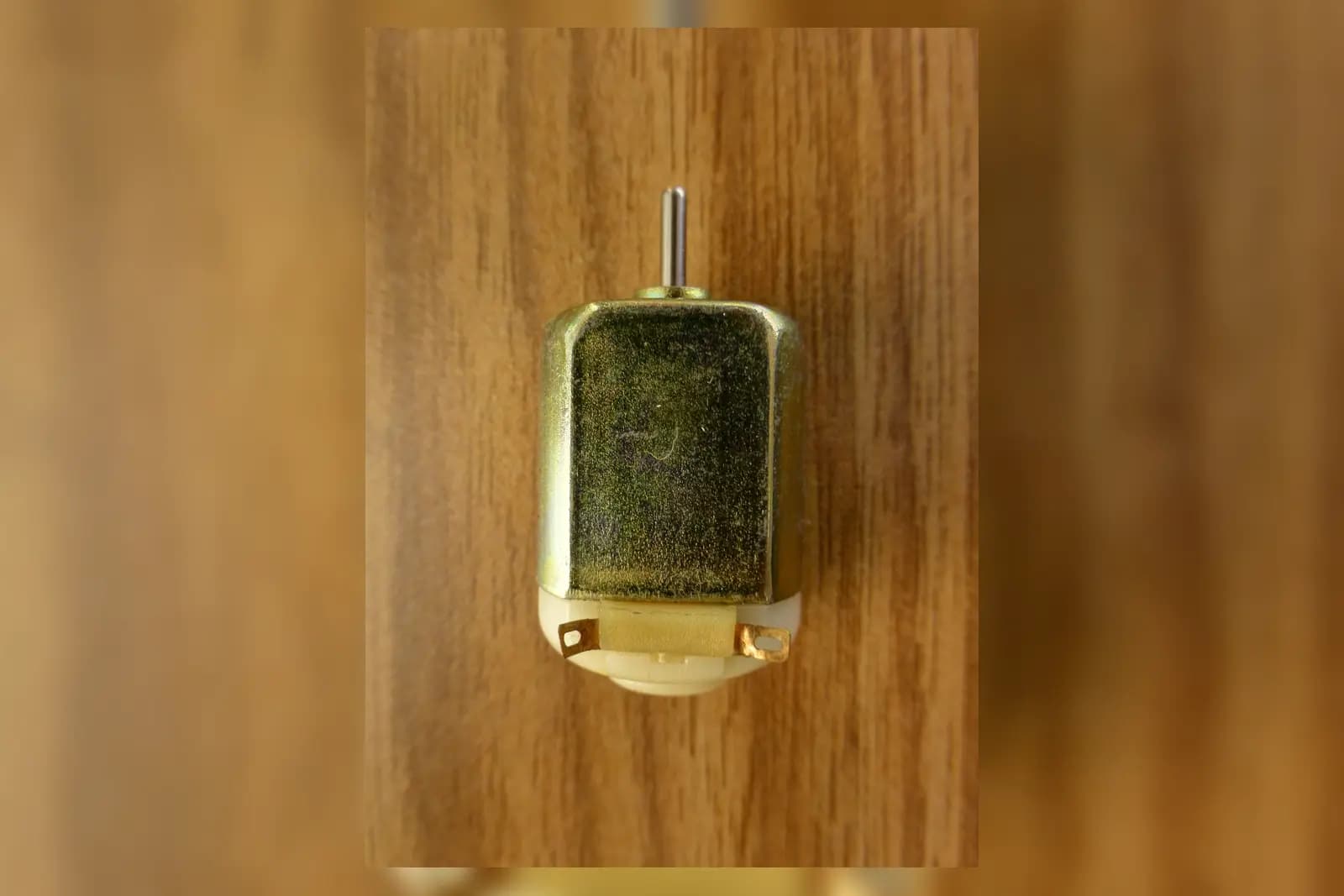
Representative compact brushed DC motor with shaft and terminal tabs visibleRepresentative visual

Representative category visual; architecture, interfaces, winding, feedback, and performance are confirmed for each project.

Photo by Nevit Dilmen, resized and composited over a blurred crop of the original. Source · CC BY-SA 3.0

Torque-speed and motion-system review

Custom Electric Motors and Motion Components

Translate the load cycle, torque-speed points, electrical limits, package, thermal path, feedback, transmission, and interfaces into a reviewable motor or motion-component brief.

First input: Provide continuous, peak, starting, holding, disturbance, and acceleration torque at the motor or output shaft.

Review Electric Motors
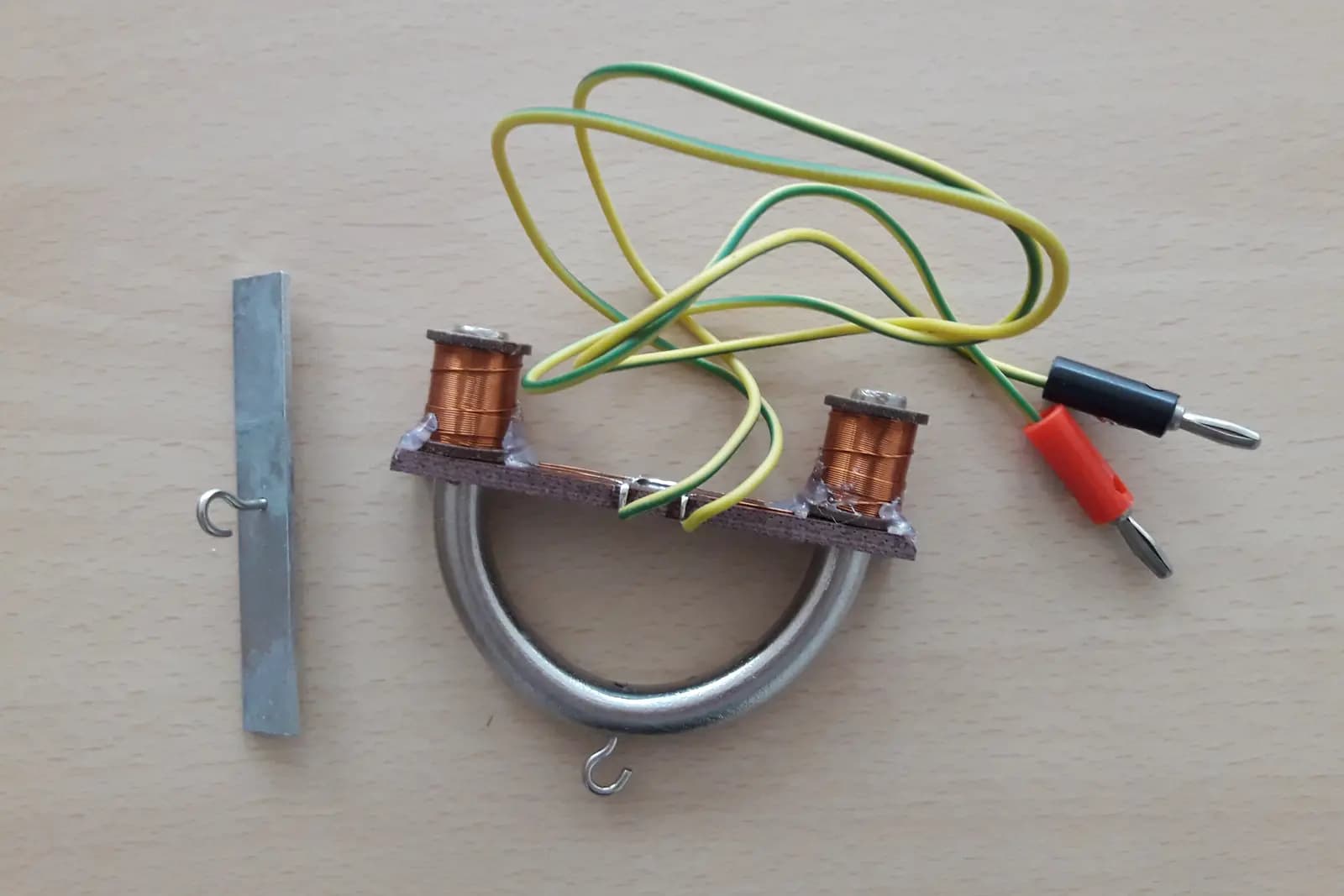
Representative open-core electromagnet demonstrator with two copper coils and test leadsRepresentative visual

Representative category visual; force-stroke behavior, winding, duty, interfaces, and protection are confirmed for each project.

Photo by Zheludenko Pavlo, resized and cropped from the original. Source · CC BY 4.0

Force-stroke and electromagnetic actuation review

Custom Electromagnets, Solenoids, and Coils

Define force over stroke, energized and return behavior, voltage/current, duty cycle, response, thermal limits, package, environment, and life before choosing a coil or solenoid architecture.

First input: Give required pull/push/hold force at start, intermediate, and end positions plus the external load or pressure curve.

Review Electromagnets & Solenoids
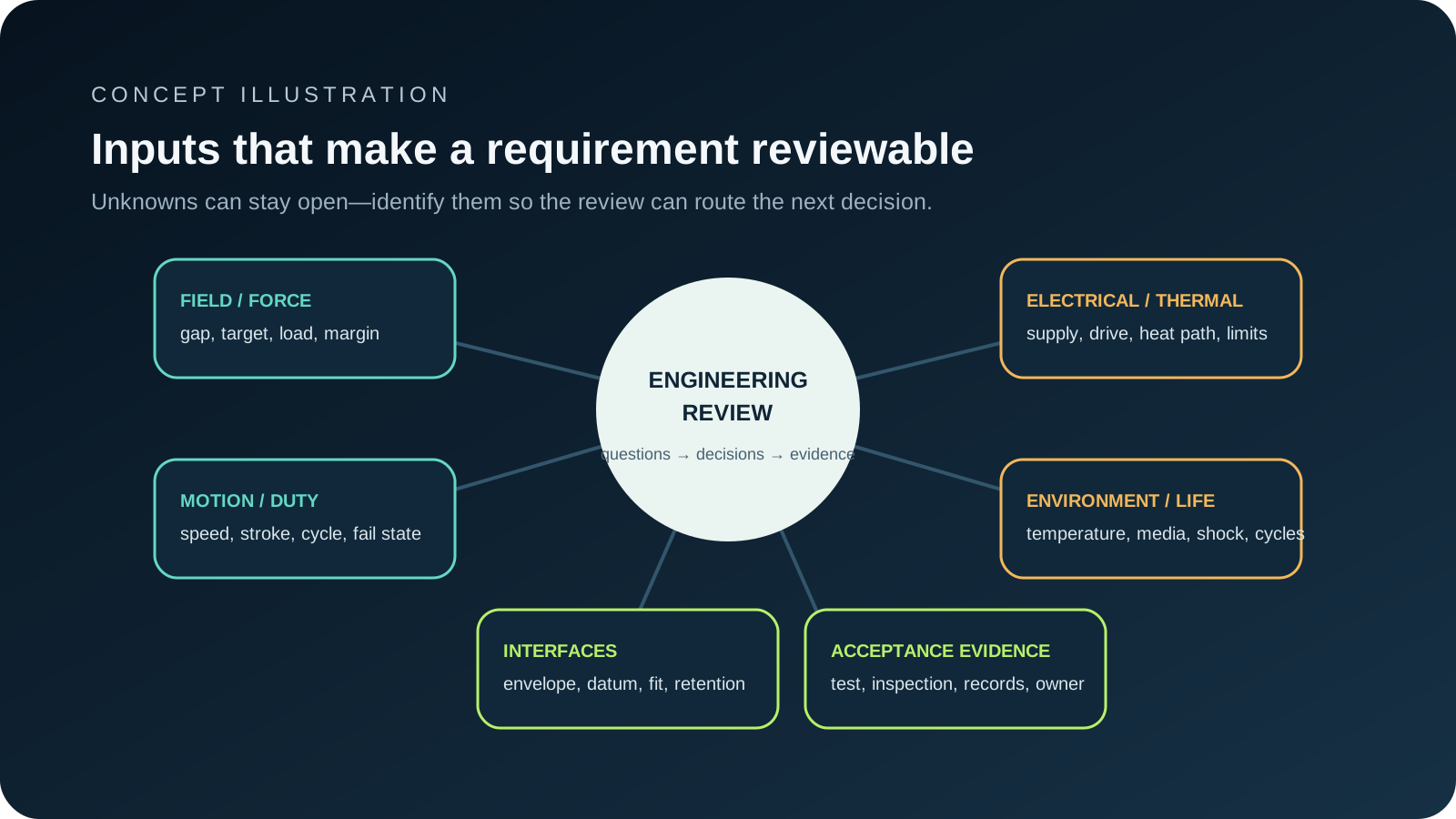
Diagram grouping function, interfaces, environment, validation, and commercial inputsConcept illustration
Original Magatom concept diagram. It organizes review inputs and does not represent a production capability.
Confirm for your project

A part name is not yet a complete requirement

A useful enquiry connects the required output to interfaces, operating conditions, validation evidence, project stage, quantity, timing, and destination. If a choice is unknown, mark it open instead of inventing a specification.

  • Function: field, force, torque, speed, stroke, or position
  • Interfaces: envelope, mounting, mating parts, supply, and controls
  • Environment: duty, temperature, contamination, shock, and life
  • Evidence: measurement point, conditions, method, and acceptance
Available direction

Cross-family decision snapshot

Comparison of Magatom magnetic and motion product families
FamilyStart here whenFirst decision inputBoundary
Permanent MagnetsDesign engineers and procurement teams defining a magnet by field, force, sensing, coupling, packaging, or replacement requirements.Magnetic objective: State the required field, force, torque contribution, sensor response, or reference part and the measurement location.Unverified grade availability or guaranteed magnetic performance before review
Magnetic AssembliesOEM engineering, procurement, and quality teams replacing a loose-magnet BOM with a controlled magnetic and mechanical subassembly.Magnetic function: Define the required field, holding/release behavior, transmitted torque, pole pattern, or sensing result and its measurement condition.Universal claims for adhesive life, pull force, torque, balance, or ingress protection before design validation
Electric MotorsMachine, robotics, instrument, pump, mobility, and automation teams matching a motion requirement to an electrical and mechanical architecture.Torque and load: Provide continuous, peak, starting, holding, disturbance, and acceleration torque at the motor or output shaft.A guaranteed motor model, efficiency, life, acoustic level, or thermal limit before the duty and test conditions are agreed
Electromagnets & SolenoidsEquipment teams designing electrical holding, locking, valve, switching, braking, release, push-pull, or proportional actuation functions.Force over stroke: Give required pull/push/hold force at start, intermediate, and end positions plus the external load or pressure curve.A guaranteed force, duty, temperature, response, life, IP rating, or safety function before conditions and validation are agreed
Confirm for your project

Not sure which family fits? Start with the application function

Send the output, interfaces, operating conditions, failure concerns, project stage, quantity, timing, and destination. The first review can route the requirement without forcing a premature part choice.

An initial review identifies missing inputs and next steps. It does not by itself confirm feasibility, performance, price, or delivery timing.